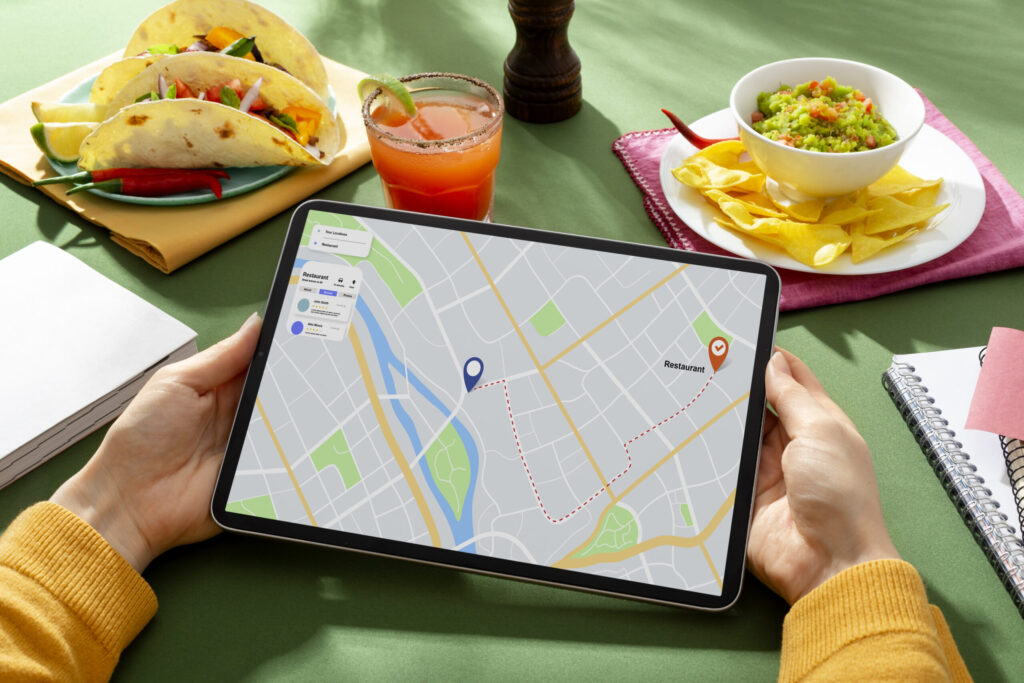
At midnight on 26 November 2025, Menulog stopped taking orders. After twenty years and roughly 30,000 restaurant partners, Australia’s only homegrown delivery marketplace was gone — and the venues that had built their takeaway volume on it woke up to a two-horse race between Uber Eats and DoorDash, both charging up to 30% commission on every order.
That is the arithmetic Australian operators are living with. A venue turning over $40,000 a month through a marketplace hands back around $12,000 of it. Every month. The searches that cost you nothing — thai restaurant fitzroy, best pub feed near me, christmas function venue brisbane, bottomless brunch surry hills — are still sitting there, and most of your competitors are ignoring them.
Skylark SEO builds organic search visibility for Australian restaurants, cafés, pubs, bars and function venues. More bookings through your own site. Fewer covers rented from a platform. We work with venues from Sydney and Melbourne to the Gold Coast, Adelaide, Perth and regional Australia.
“They have skillfully mastered the art of keeping clients informed, making complex SEO projects accessible and understandable.”

Review from Clutch.co


“They have skillfully mastered the art of keeping clients informed, making complex SEO projects accessible and understandable.”

Review from Clutch.co


Australian hospitality runs on thin margins. Full-service venues typically clear 5–10% net, with labour taking 28–35% of revenue and food another 25–35%. Before rent, utilities and software, most operators have already spent 60–70% of every dollar that comes in. In that context, a 25–30% marketplace commission isn’t a marketing expense. It’s the difference between a profitable Friday and a break-even one.
Organic search is the only acquisition channel where the cost per cover falls as the channel grows. A diner who finds you through the Google Map Pack, taps through to your site and books directly costs you nothing beyond the work that put you there. The same diner arriving via a delivery app costs you up to a third of the ticket, and you never learn their name, their email, or that it was their fourth visit.
There’s a second shift underway. Around 64% of Australians have now seen an AI Overview above Google’s blue links, and roughly 13.6 million Australians aged 14 and over use AI tools in an average four weeks. People are asking ChatGPT and Gemini where to eat, not just Google. Those answers are assembled from structured, crawlable, well-cited sources — which means the venues with clean menu markup, consistent business details and genuine editorial coverage get named, and the venues with a PDF menu and an unclaimed listing don’t.
Restaurant SEO in 2026 is about being findable in both places at once: the map, and the machine.
We’d rather show you the work than describe it. Each of these campaigns started the same way — a venue with good food and poor visibility — and each was solved with a different mix of technical repair, local optimisation and content. Where the client is outside Australia, we’ve said so. The mechanics travel; the market context is where local knowledge earns its keep.
Organic Clicks
Organic Leads
Peter Chang McLean | 45% boost in organic traffic and 32% increase in reservations through targeted on-site SEO.
Organic Clciks
Organic Leads
We helped Han Spot boost its local visibility and attract more diners through focused SEO efforts.
Organic Clciks
Organic Leads
We helped China Garden enhance their local search visibility and attract more customers through effective SEO.

We start by finding out why you aren't ranking, not by guessing. A full technical, content and local audit covering indexation, crawl health, site speed on mobile, menu accessibility, Google Business Profile completeness, citation consistency and competitive gap analysis against the venues currently outranking you. You get a prioritised roadmap in plain English — what we're fixing, in what order, and what each fix is expected to move. No jargon, no 90-page PDF you'll never open.

Australian diners search differently. They search suburbs, not neighbourhoods. They search pub feed, parma, counter meal, bottomless brunch, long lunch and bottle shop. They search function venue and christmas party venue three months before the event. We build your keyword map around real Australian search language, mapped to your suburbs, your cuisine, your dishes and your revenue streams — dine-in, takeaway, functions, weddings and events — using AU-database tools and live SERP analysis, not a US keyword list with the spelling changed.

Your menu is your highest-intent page and it's usually your weakest. If it's a PDF or a design-baked image, Google can't read a single dish name. We rebuild menus as crawlable HTML with dish names, descriptions, prices, dietary markers and allergen information as real text — then optimise title tags, headings, internal linking and image alt text so every page states its cuisine and its suburb. A title reading "Our Menu" tells a search engine nothing. "Vietnamese Restaurant Richmond — Lunch, Dinner & Takeaway" tells it three things.

The Map Pack is where restaurant searches are won. We optimise and maintain your Google Business Profile end to end: correct primary and secondary categories, attributes, service areas, opening hours including public holidays, menu and booking links, Q&A seeding, photo cadence and Google Posts. We build and clean citations across the AU directories that still carry weight, fix NAP inconsistencies that quietly suppress rankings, and — because Copilot has climbed to around 14% of the Australian AI chatbot market — we claim and optimise Bing Places too. Most agencies skip that. It costs an hour and it matters.

Australia has one of the most active food-media ecosystems in the Asia-Pacific. Broadsheet, Good Food, Time Out, Concrete Playground, The Urban List, Delicious and a deep bench of city and suburb publications cover new openings, menu changes, chef moves and seasonal offers daily. One editorial feature from a masthead like that is worth more than a year of directory submissions — and it's the kind of citation AI systems reach for when someone asks where to eat. We run outreach built around genuine news pegs from your venue: a new head chef, a seasonal menu, an anniversary, a collaboration.

Diners searching on a phone at 6pm won't wait. We fix Core Web Vitals, compress oversized hero food photography, resolve crawl and indexation errors, repair XML sitemaps and internal link structures, and implement the structured data that makes your venue machine-readable — Restaurant, Menu, MenuItem, OpeningHoursSpecification, AggregateRating and Event for functions and ticketed nights. This is the layer that decides whether Google, and increasingly ChatGPT, can describe your venue accurately.

For most Australian venues, the money isn't only in Tuesday covers. It's in the Christmas party for forty, the engagement lunch, the wake, the corporate breakfast, the Melbourne Cup long lunch. Those searches are seasonal, high-value and remarkably under-served — and a generic "Functions" page with a PDF pack attached will never rank for them. We build dedicated, genuinely useful pages for each event type and each venue space, with capacities, packages, dietary accommodation and real photography, published on the timeline Australian searchers actually plan to.

Review count, average rating, review velocity, recency and whether you reply all feed local rankings — and all feed what an AI assistant says about you when someone asks. We build ethical review-generation systems into your service flow, structure your responses so they reinforce cuisine and location signals without sounding robotic, and monitor sentiment for the operational problems reviews surface before they become patterns. We do not buy reviews, and under Australian Consumer Law neither should you.

A 30-seat café in Newtown and a 300-cover function centre on the Gold Coast have nothing in common except a Google listing. We start with your P&L reality — which revenue streams have capacity, which nights are soft, what a cover is actually worth to you — and build the keyword and content strategy backwards from there. Market research, competitor analysis and diner persona work inform every decision, so the traffic we chase is traffic that books.

Restaurants break the standard SEO playbook. There's no natural blog. The highest-value page is a menu most sites publish as a PDF. Half the bookings happen on platforms you don't own. Demand swings 300% between a wet Tuesday and Grand Final weekend. We've solved these problems for venues internationally and we bring that pattern library — plus Australian market context — to your campaign from week one.

Technical SEO, local optimisation, content, digital PR, review management, Google Ads and social — all in-house. That matters more than it sounds. When your Christmas function campaign needs organic pages, paid support and social amplification to land in the same fortnight, one team beats three agencies pointing at each other.

High traffic with flat bookings is a failed campaign wearing a nice dashboard. We instrument the whole path — Map Pack views, calls, direction requests, booking-widget completions, online orders through your own site — and report on the ones that put people in seats. If a keyword drives sessions but no covers, we say so and reallocate.
Australian search behaviour isn't American search behaviour with different spelling. Different platforms, different seasonality, different food media, different consumer law, different competitive density. Your campaign is researched and executed against the AU market — Australian keyword databases, Australian SERPs, Australian directories, Australian calendar.
Your page body says "over 11 years"; your footer says "Celebrating 15+ Years"; your copyright reads "2013–2026". Pick one and use it everywhere — inconsistent experience claims are an E-E-A-T liability and prospects do notice. Suggested copy once resolved: Skylark has been doing search since [YEAR]. That's [N] years of algorithm updates, industry shifts and campaigns across dozens of verticals — and a team that has seen what actually holds up over time versus what worked for one quarter
Ranking is the means; margin is the point. Every campaign we run for a hospitality client has an explicit goal of shifting volume from commission-taking marketplaces to channels you own — your website, your booking system, your customer list. We'll show you the modelled difference in dollars before you sign anything.
Around 64% of Australians have already encountered an AI Overview, and 12% now name AI tools as their main way of finding information online. We optimise for citation as well as ranking: entity-consistent business data, structured menu and venue markup, question-led content formatted for extraction, and a presence on the third-party sources these systems actually cite. Not an upsell — standard scope.
A dashboard you can read, a monthly call with the person doing the work, and figures in Australian dollars. We report on Map Pack visibility, non-branded organic bookings, calls and direction requests, plus what we did, what it moved and what's next. No vanity metrics, no surprise scope.
A dedicated account manager who knows your venue, contactable in your time zone by phone, email or video. You will not be handed to a rotating junior, and you will not be waiting overnight for an answer during service week.
Most restaurant searches in Australia are decided within about 400 metres and 30 seconds. Someone opens Maps, types a cuisine and a suburb, scans the top three results, checks the photos, checks the rating, checks whether they can book. If your venue isn’t in that top three, the quality of your food is irrelevant — it was never in the consideration set.
Winning that moment is mechanical, and it’s mostly unglamorous work:
Two housekeeping notes that are specific to operating here. Under Australian Consumer Law, if you apply a weekend or public holiday surcharge, your menu must carry the words “a surcharge of [percentage] applies on [day or days]”, displayed at least as prominently as your most prominent price — and that applies to your online menu, not just the printed one. Separately, from 1 October 2026 the Visa, Mastercard and eftpos networks are introducing ‘no surcharge’ rules for prepaid, debit and credit card payments, which means card surcharge wording on many venue websites is about to become wrong. We audit for both, because a page that misstates pricing is a legal exposure and a conversion killer at the same time.

We map the demand that already exists around your venue. Cuisine terms, dish-level searches, suburb combinations, "near me" variants, function and event queries, and the seasonal spikes that define the Australian hospitality calendar — Christmas party searches building from September, Melbourne Cup, Mother's Day, Grand Final weekend, school holidays by state. We also audit the venues currently taking that traffic and identify exactly what they've done that you haven't.
Nothing else matters if Google can't crawl, render and index your pages properly. We resolve indexation blocks, duplicate content, thin or orphaned pages, sitemap errors, redirect chains and mobile rendering failures — and we make sure your menu, booking and function pages are all actually in the index. This stage is unglamorous and it's where most stalled campaigns turn out to have been stuck.
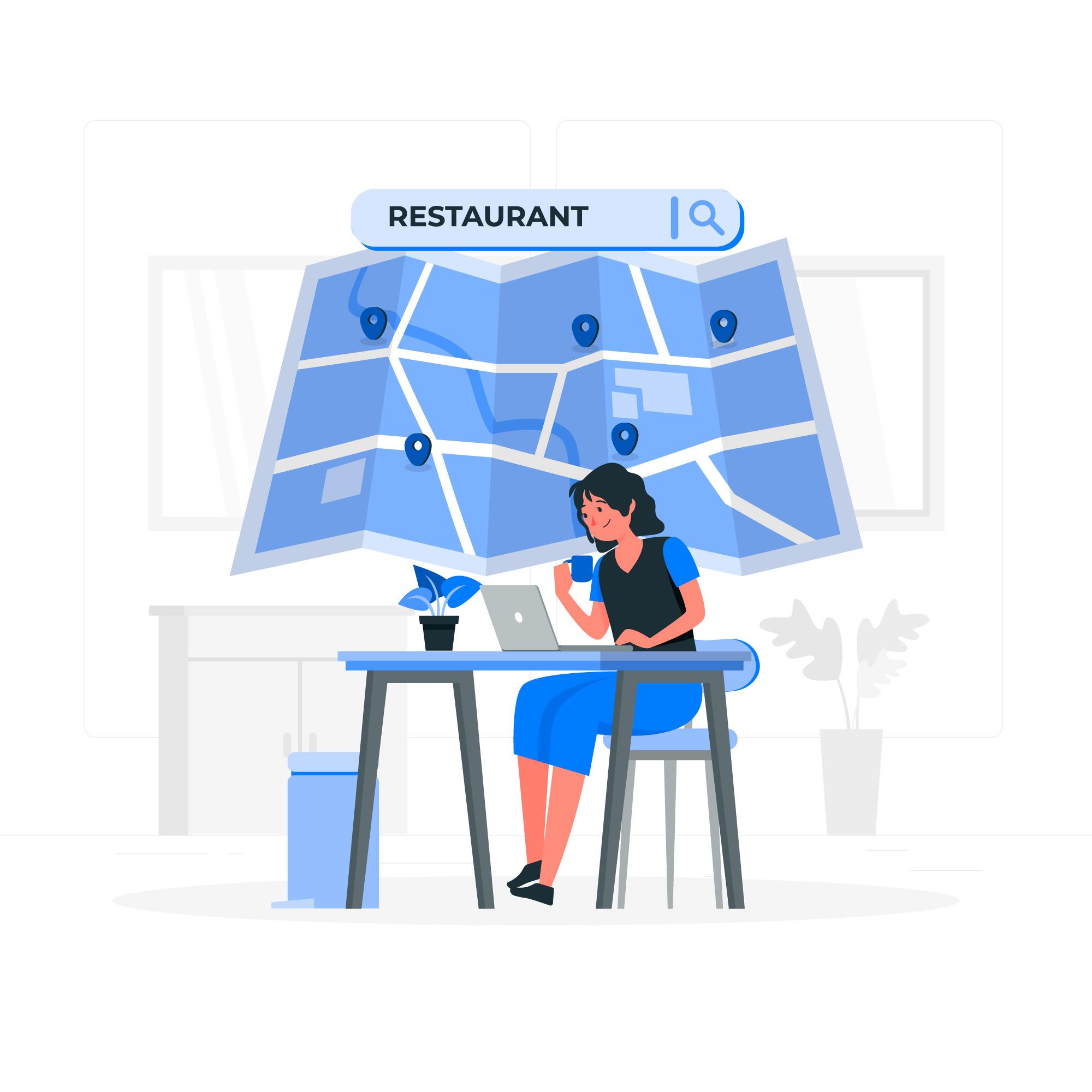
Local is the whole ball game for hospitality. Google Business Profile optimisation, Bing Places, Apple Business Connect, citation building and cleanup across the Australian directories that still hold value, suburb-level landing content for multi-venue groups, and Map Pack ranking work. If you operate more than one site, each venue gets genuinely unique content — not the same paragraph with the suburb swapped, which Google treats exactly as poorly as it sounds.
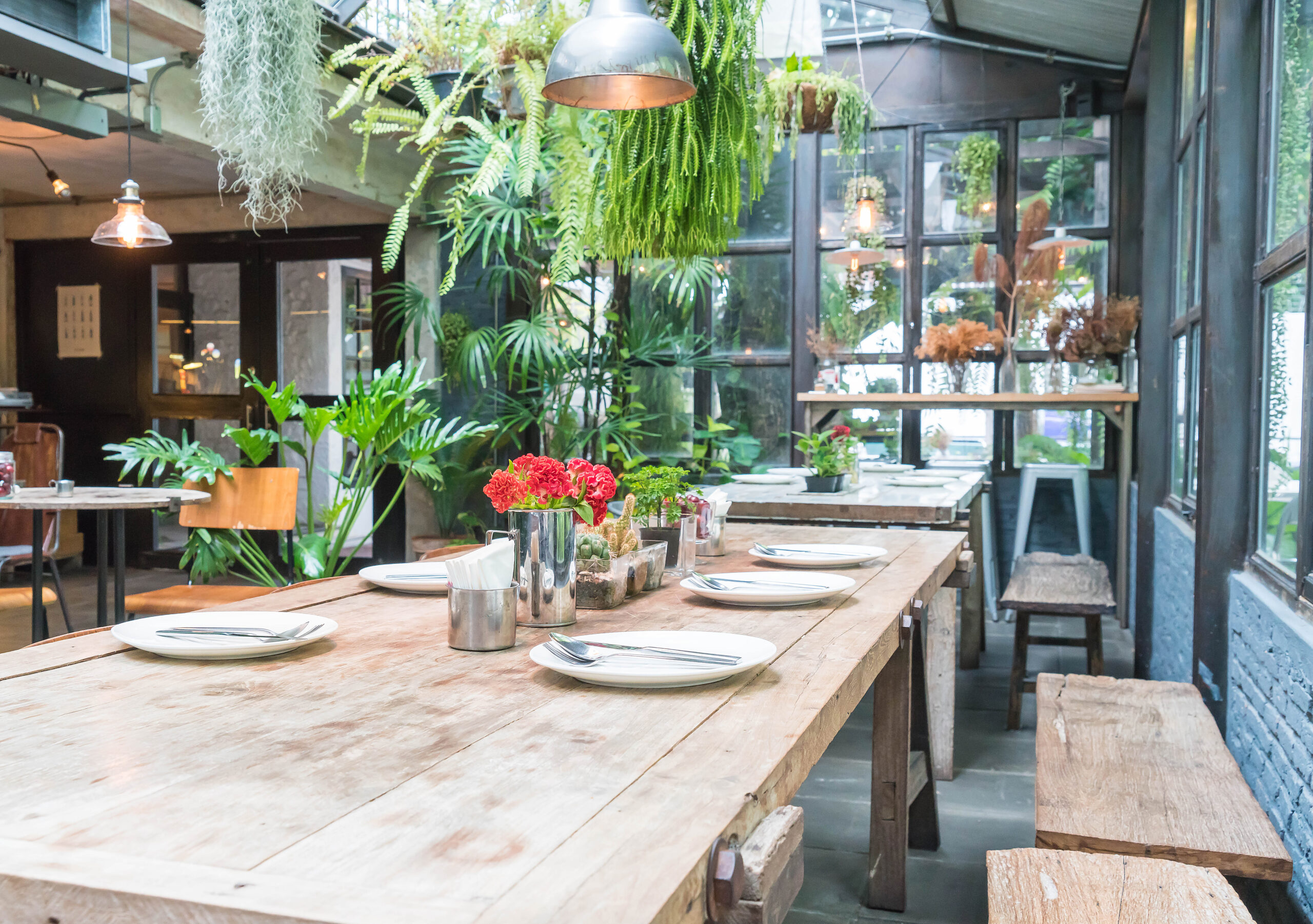
The content layer. Menu pages rebuilt as crawlable text. Function, wedding and event pages built for the searches that precede those bookings by months. Seasonal campaigns landed on the Australian calendar. And a digital PR program aimed at the food media that actually shapes dining decisions here — because a Broadsheet or Good Food feature buys you authority, referral traffic and an AI-citable source in one hit.
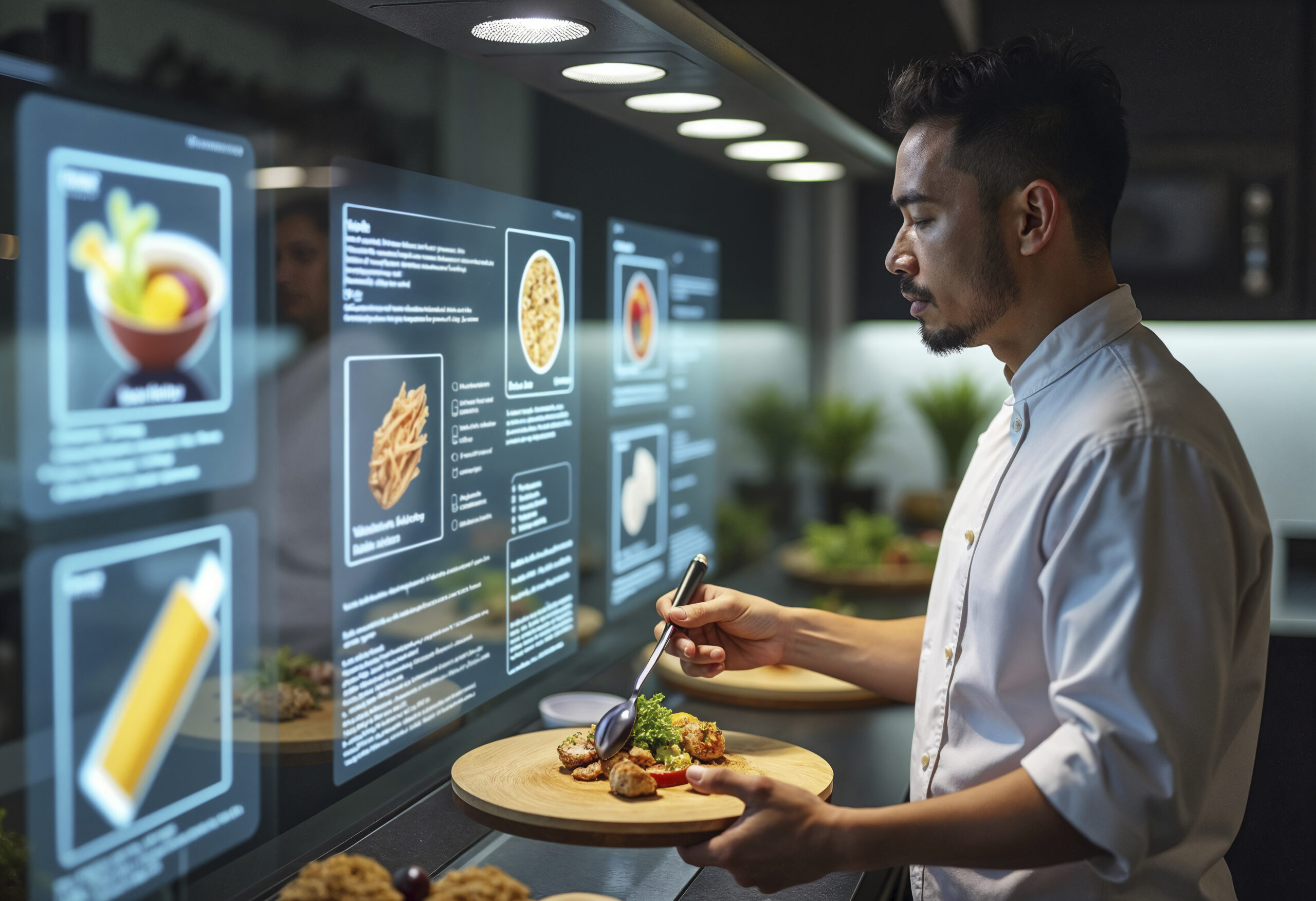
Making your venue machine-readable. Structured data for your restaurant, menu, menu items, opening hours, ratings and events. Consistent entity signals across every platform that describes you. Content formatted so that AI systems can lift a clean, accurate answer — because increasingly the question isn't "do we rank third?" but "when someone asks an AI where to eat in Carlton, are we in the answer?"
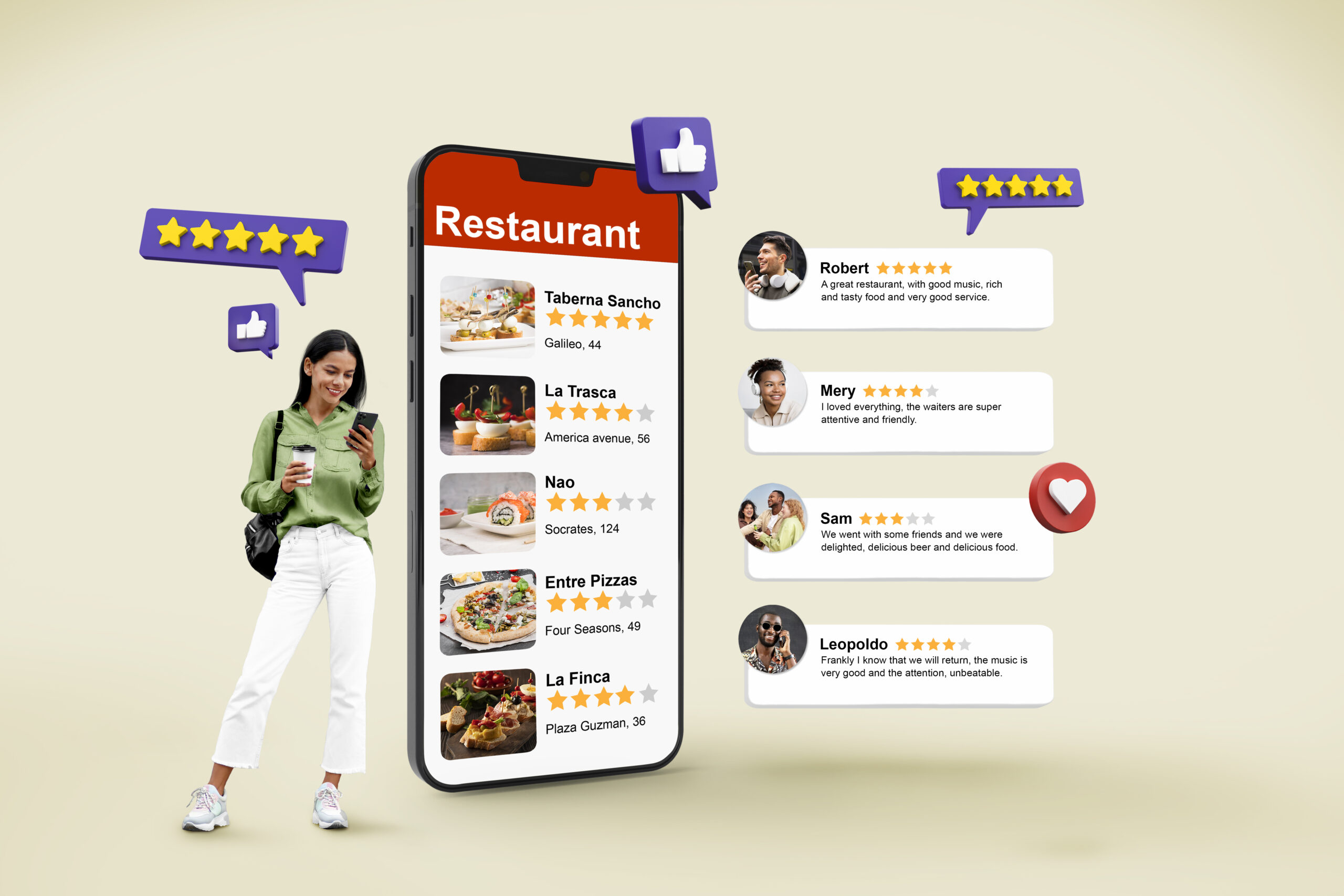
Tracking that ties search activity to money. Map Pack views, calls, direction requests, booking-widget completions, first-party online orders — instrumented properly and reported monthly in AUD. Then we optimise toward whichever of those you actually want more of, and we keep going: rankings that aren't maintained don't stay put.

CEO
We had a great experience with SkylarkSEO. Their team was professional, knowledgeable, and attentive. They tailored an SEO strategy that boosted our website traffic and search engine rankings in just a few months. SkylarkSEO’s transparent communication and dedication set them apart. We highly recommend their services. Thank you, SkylarkSEO!
CEO
SkylarkSEO transformed our online presence with their PPC services. Their expertise and attention to detail resulted in immediate improvements in our ad performance and ROI. We saw a significant increase in leads and conversions. Highly recommend their professional and results-driven approach!
CEO
We are extremely grateful for the exceptional service provided by SkylarkSEO. Their expertise in SEO has had a transformative impact on our business. From the very beginning, they have been responsive, professional, and committed to our success. Our website’s performance has improved dramatically, and we’ve seen a substantial increase in inquiries and sales. Thank you, SkylarkSEO, for helping us reach new heights!
Restaurant SEO is the practice of optimising a venue's website, Google Business Profile and online presence so it appears when nearby diners search for places to eat. It combines local SEO, technical fixes, menu optimisation and reputation management, with the goal of driving direct bookings and orders rather than platform-mediated ones.
Australian agency retainers for hospitality SEO typically run between $1,500 and $5,000+ per month, depending on the number of venues, the competitiveness of your suburb, the technical state of your site and whether digital PR is included. Single-site cafés sit at the lower end; multi-venue groups and CBD fine dining at the upper.
Local ranking improvements — Google Business Profile optimisation, citation cleanup, Map Pack movement — often show within 4 to 8 weeks. Broader organic growth typically takes 3 to 6 months to become clear, and 12 months to compound properly. Venues starting from a technically broken site see faster early gains, because the first fixes remove active handbrakes.
They serve different purposes. Marketplaces are an expensive customer-acquisition channel — up to 30% commission — that make sense for new venues needing discovery. SEO builds a channel you own, where the cost per cover falls over time and you keep the customer relationship. Most established Australian venues doing meaningful delivery volume are better served running both, while deliberately shifting repeat customers to direct ordering.
The Map Pack is the block of three local business listings that appears above organic results for location-based searches. Position is driven by relevance, distance and prominence — meaning your Google Business Profile completeness and category accuracy, your proximity to the searcher, and your review volume, rating, recency and citation consistency. It is the single highest-value real estate in restaurant search.
Yes. Your Google Business Profile is a listing you rent; your website is an asset you own. The profile drives discovery, but the website is where you control the menu, take a commission-free booking, capture an email address, publish the function packages that rank for high-value searches, and provide the structured content that AI assistants cite when recommending venues.
AI systems assemble answers from structured, consistent and well-cited sources. In practice: publish your menu as crawlable HTML text rather than a PDF, implement Restaurant and Menu structured data, keep your name, address and phone identical across every platform, answer common diner questions directly in your content, and earn coverage from Australian food publications those systems already trust. Ranking well helps but isn't sufficient on its own.
Yes, and the search language differs meaningfully between them. Cafés compete on breakfast, brunch, coffee and dietary terms. Pubs compete on counter meal, parma, beer garden, live music and function searches. Bars compete on cocktails, rooftops and late trading. Each needs its own keyword map — treating them all as "restaurants" is the most common mistake we see on Australian venue sites.
With dedicated pages, published early. Australian Christmas function searches begin climbing in September and peak through October and November, which means the page needs to be live, indexed and building authority by August. Build one genuinely detailed page per event type and per venue space — capacities, packages, dietary options, real photography, clear pricing — rather than a single "Functions" page with a PDF attached.
No, and no reputable agency will. Nobody controls Google's algorithm, and any guarantee of position is either a technicality or a lie. What we do commit to is a defined scope, transparent monthly reporting against agreed metrics, and a strategy built on keywords that would actually put people in your seats rather than ones that are simply easy to win.
Local SEO is the broader discipline of ranking for location-based searches — relevant to any business with a physical address. Restaurant SEO applies those principles alongside hospitality-specific work: menu indexability, dish-level keyword targeting, review velocity management, booking-system integration, function and event page strategy, and food-media digital PR.
Rankings decay rather than collapse. You'll typically hold position for a few months, then start losing ground as competitors keep publishing, keep earning links and keep accumulating reviews. Technical debt also rebuilds — site speed drifts, listings go stale, hours go out of date. The work is closer to maintaining a kitchen than building one.
LEADS DRIVEN
FOR CLIENTS
REVENUE DRIVEN
FOR CLIENTS
HOURS OF
EXPERTISE
EXPERTS ON STAFF
Ready to speak with a marketing expert? Give us a ring